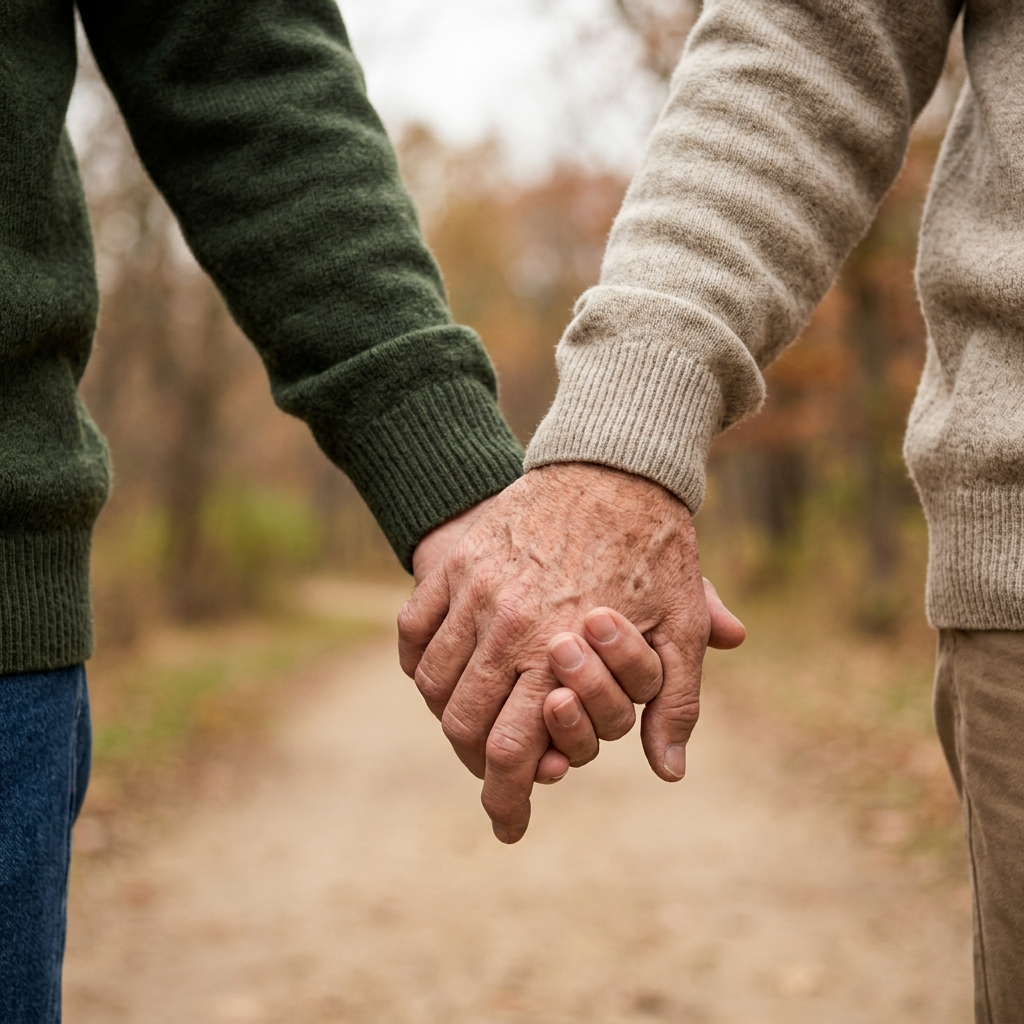
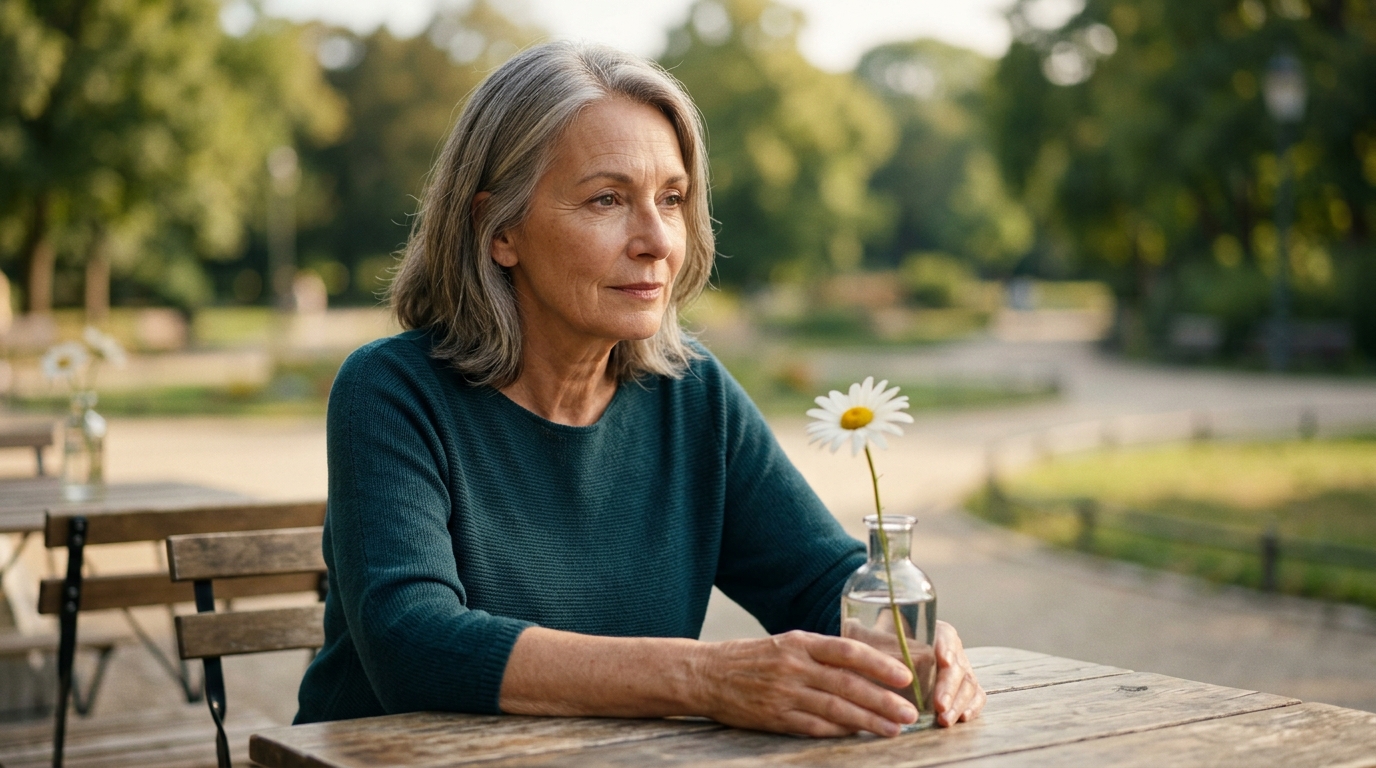
Losing a partner is one of the most profound experiences you can go through. It reshapes your world, your daily routines, and your sense of self. When the time comes that you begin to wonder about companionship again, it often brings a complex mix of hope, hesitation, and perhaps a touch of guilt. You might find yourself questioning if it is "too soon" or if seeking someone new somehow diminishes the love you held—and still hold—for the person you lost.
It is important to remember that there is no universal handbook for this transition. Your journey through grief is uniquely yours, and the decision to explore dating again is a personal one that doesn't follow a fixed calendar. Whether it has been months or many years, your feelings are valid. Choosing to open your heart to a new person does not mean you are replacing your late partner or forgetting the life you shared; it simply means you are acknowledging your own ongoing need for connection and shared experiences.
When might dating again feel right after bereavement?
The question of "when" is perhaps the most common one, yet it is the one with the least definite answer. You may find that friends or family members have their own opinions on the matter, but readiness is an internal state, not a social deadline. Grief is not a linear process with a clear finish line; according to Healthdirect Australia, everyone experiences grief differently and there is no single timetable for how long it should last. You might feel ready to meet someone new while still experiencing waves of sadness, and that is perfectly normal.
Readiness often manifests as a quiet curiosity rather than a sudden bolt of certainty. You might start to notice the world around you a bit more, or find yourself wanting to share a funny observation with someone else. It isn’t about filling a void or "getting over" your loss. Instead, it is about reaching a point where you have enough emotional space to learn about another person as an individual, without constantly measuring them against the person you lost.
"I felt a wave of guilt the first time I laughed during a dinner date. I had to remind myself that enjoying a conversation in the present didn't mean I loved my late husband any less in the past." — An example of the common internal conflict many face.
Signs that you might be open to dating include:
- Feeling a genuine interest in other people's stories and lives.
- Being able to talk about your late partner without feeling completely overwhelmed by the immediate pain of the loss.
- Recognising that a new relationship will be different in nature and structure from your previous one.
- The desire for companionship or shared activities outweighs the fear of the unknown.
It is also worth noting that loneliness and readiness are not the same thing. You can feel lonely and still decide that you aren't quite ready for the emotional vulnerability of a date. On the other hand, Relationships Australia highlights that the death of a partner can lead to significant isolation, and seeking support through friends or new social connections can be a vital step in rebuilding your life after loss. If you find that grief remains intensely distressing or is significantly affecting your ability to function daily, seeking professional support is a courageous and practical step toward healing.
How to start dating without feeling that you are leaving the past behind
Starting again doesn't mean closing the book on your previous life. Many people find it helpful to start gradually. Instead of jumping straight into one-on-one romantic dates, you might begin by meeting new people over 50 through hobby groups, walking clubs, or community events. This allows you to build social confidence in a low-pressure environment where the focus is on the activity rather than a potential "match."
When you do feel ready for more intentional dating, online dating for over 60s can be a helpful tool. It gives you the ability to set the pace and be clear about your situation from the start. You don't need to explain your entire life story or the depth of your grief on a first date or in a profile. A simple mention that you are widowed is often enough. You can share more details as trust develops and as you feel comfortable.
A Practical Approach to First Meetings:
- Keep it brief: A coffee or a short walk is often better than a long dinner.
- Focus on the present: Try to learn about the person sitting across from you today.
- Be kind to yourself: If you get home and feel emotional, allow yourself that space. It doesn't mean you made a mistake; it just means you are navigating a big change.
For those who haven't been on a date in decades, navigating first dates after 50 can feel like learning a new language. The key is to keep it low-pressure. Think of it as an exploration rather than a search for a life partner. You might even find that your dating over 60 relationship goals have changed. You might be looking for "Living Apart Together" (LAT) arrangements, a travel companion, or someone to share Sunday brunches with, rather than a traditional domestic partnership.
One challenge many face is the tendency to compare new people to their late partner. While natural, this can make it difficult for a new connection to grow. Try to remember that you are not looking for a "v2.0" of your spouse. You are looking for a new, unique individual who will bring different qualities into your life.
Building a new relationship while keeping space for grief and memories
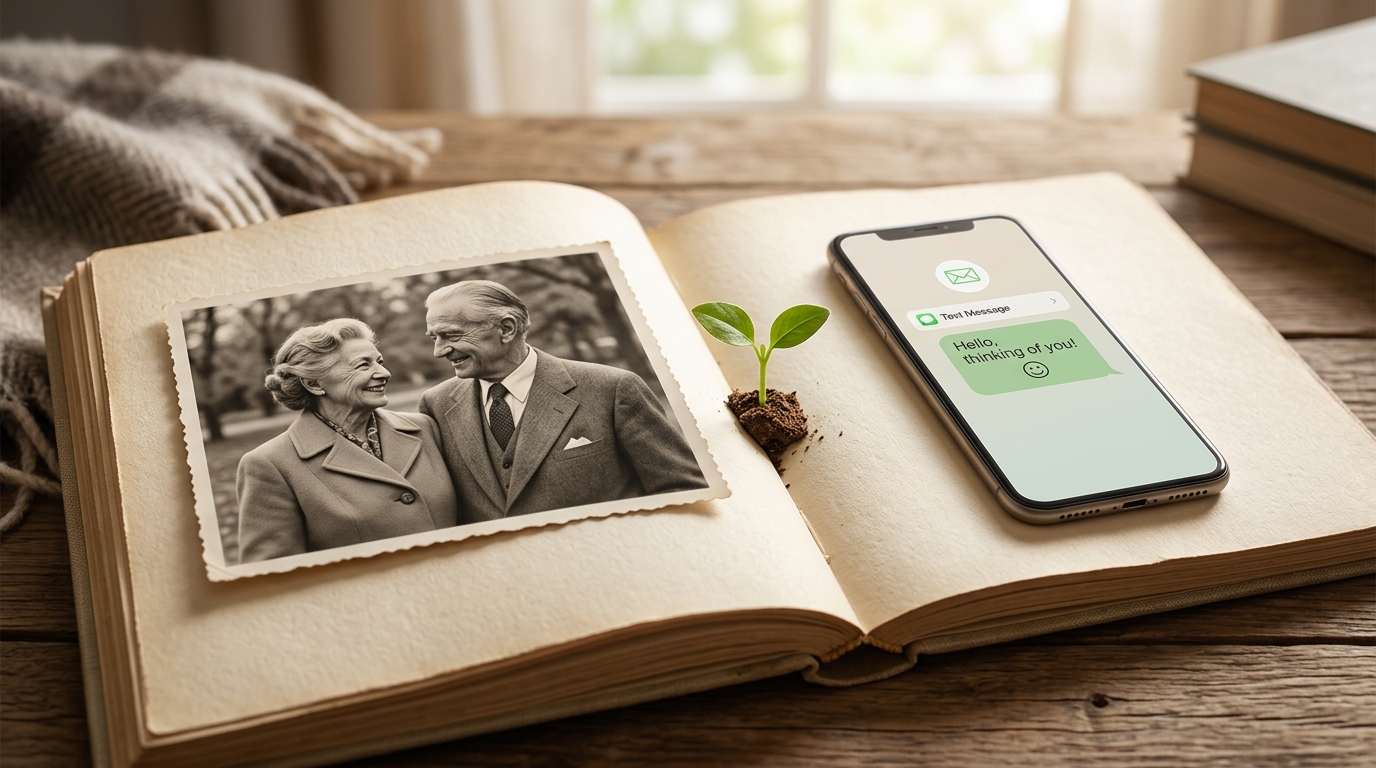
A healthy new relationship should have room for your past. You shouldn't feel the need to hide photos or stop speaking about your late partner to "protect" a new person’s feelings. A respectful and mature partner will understand that your late spouse is a significant part of your life story and that loving them doesn't detract from the affection you have for someone new. However, it is also important to ensure that the new person feels valued for who they are, rather than feeling like they are living in a shadow.
Expect that certain dates—anniversaries, birthdays, or holidays—might bring your grief back to the surface with unexpected intensity. This is a normal part of the process. For example, you might decide to pause dating or take a break from social activities during the month of a difficult anniversary. A supportive partner will respect this need for space.
Note on Family Dynamics: Adult children and close friends may have their own grief to process. They might react with caution or even disapproval when you start dating again. It is important to communicate that you aren't trying to replace their other parent, but their discomfort doesn't necessarily mean you are doing something wrong. They may simply need more time to adjust to the change than you do.
Consider these realistic scenarios as you move forward:
- The Gradual Introduction: Someone who tells a new date they were widowed early on, but waits several months before sharing deeper stories about their late partner's illness or the specifics of their loss.
- The Social Starter: A person who spends six months attending local community gardening groups to get used to being social again before finally creating an online dating profile.
- The Patient Parent: Someone whose adult daughter is cold toward a new partner. Instead of forcing a relationship, they continue to see the new partner independently while giving the daughter space and reassurance that the family traditions remain important.
Ultimately, dating after bereavement is about integration. It is the process of weaving your past and your future together. You are allowed to miss what you had while being excited about what might come next. There is no need to rush, and there is no need to apologise for seeking joy. When you feel enough curiosity to get to know someone as they are, and you have the emotional energy to offer them a place in your life, you will know you are on the right path. Your capacity to love is not a finite resource that was used up; it is a part of who you are, and it can grow to encompass new people and new experiences whenever you feel ready.